1. Introduction: Beyond the Tired Mind
Imagine the frustration of lying in bed at 3:00 AM, your mind racing through the events of the day while your body remains trapped in a state of alert. For many of our patients at Homeo.Healthcare, sleep is not a source of renewal but a nightly battleground. Take the case of Sarah, a 34-year-old marketing executive who presented with symptoms of chronic exhaustion, yet felt “wired” the moment her head hit the pillow. Her experience is a classic clinical presentation of neural hyper-excitability, where the internal alarm system fails to switch off.
When conventional approaches fall short, patients often seek insomnia homeopathic remedies to address the root cause rather than just masking the symptoms. By focusing on the whole person—emotional state, physical constitution, and energy patterns—we can guide the body back to a state of equilibrium, effectively restoring circadian rhythm and fostering deep, restorative sleep.
The Hidden Cost of Insomnia
Chronic sleep deprivation is not merely a lifestyle annoyance; it is a clinical marker of autonomic dysregulation. When the sympathetic nervous system stays “switched on,” the body misses its critical window for glymphatic clearance—the process by which the brain cleanses metabolic waste products during deep sleep.
2. Overview: The Systemic Context of Sleep
Effective sleep disorder care requires looking beyond the duration of sleep to the quality of autonomic nervous system (ANS) function. Sleep is a complex neuro-biological state that relies on the harmonious interplay between our internal biological clocks and external environmental cues. When this communication breaks down, the result is a state of chronic arousal that leaves the patient physically tired but mentally over-stimulated.
3. Anatomy & Physiology: The Mechanics of Rest
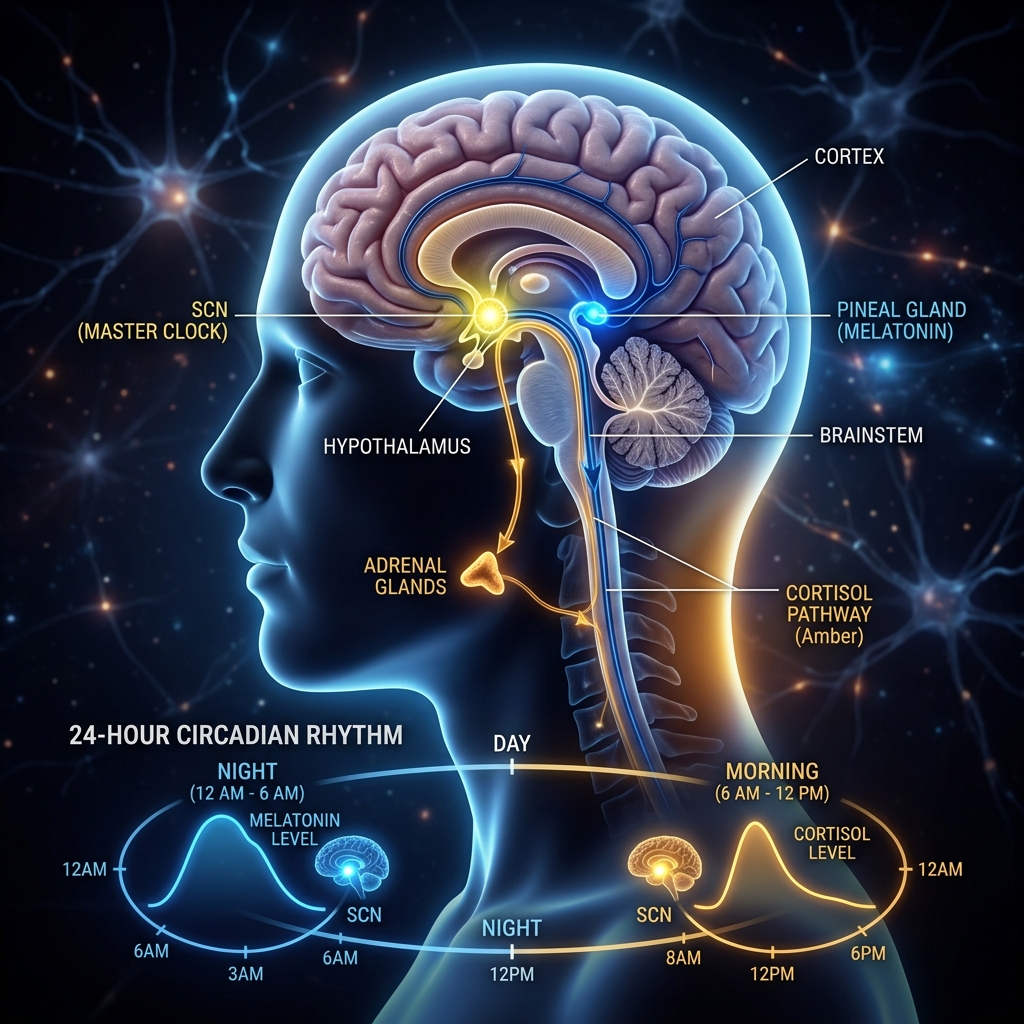
At the cellular level, the sleep-wake cycle is governed by the suprachiasmatic nucleus (SCN) in the hypothalamus. This master clock synchronizes our physiology with the light-dark cycle. In cases of chronic insomnia, we often observe a disruption in the HPA-axis (Hypothalamic-Pituitary-Adrenal), which dictates the release of cortisol.
For parents navigating restless sleep in children, it is vital to understand that the developing nervous system is particularly sensitive to these fluctuations. When neural hyper-excitability takes hold, the threshold for sensory input drops, making it nearly impossible for the brain to transition into the delta-wave activity required for true physical restoration.
4. Causes: The Etiology of Disrupted Cycles
Neuro-Endocrine Imbalance
Dysregulation of the HPA-axis leading to elevated nocturnal cortisol levels, preventing the transition into non-REM sleep stages.
Autonomic Hyper-excitability
A persistent state of “fight or flight” dominance, often triggered by chronic stress, which prevents the parasympathetic system from initiating rest.
Environmental & Circadian Disruption
Exposure to blue light, irregular shift work, and high-frequency EMF interference can inhibit melatonin secretion, directly interfering with the biological drive to sleep.
5. Risk Factors: Who is Most Vulnerable?
| Category | Primary Risk Factor | Clinical Impact |
|---|---|---|
| Genetic | Familial predisposition to anxiety | Increased sensitivity of the amygdala |
| Environmental | High-stimulus digital lifestyle | Delayed sleep latency |
| Developmental | Pediatric neuro-development | Restless sleep in children |
Seek Care Immediately If…
- You experience episodes of “sleep paralysis” accompanied by hallucinations.
- You observe frequent gasping or choking sensations during sleep (potential sleep apnea).
- Insomnia is accompanied by sudden, unexplained mood swings or severe depressive ideation.
- There is a sudden onset of total insomnia lasting more than 72 hours without physiological exhaustion.
For more information on addressing the foundations of health, explore our guides on holistic stress management and nutritional support for the nervous system.

6. Signs & Symptoms
Chronic insomnia manifests as more than just a lack of sleep; it is a complex state of neural hyper-excitability where the body remains in a sympathetic-dominant “fight or flight” mode. Patients often present with specific subjective and objective markers that indicate a failure in restoring circadian rhythm.
| Marker Category | Subjective Symptoms | Objective/Clinical Markers |
|---|---|---|
| Sleep Latency | Racing thoughts, inability to “shut off” mind. | Difficulty falling asleep >30 mins, 3x/week. |
| Sleep Architecture | Fragmented, non-restorative sensations. | Frequent nocturnal awakenings, <85% sleep efficiency. |
| Autonomic Tone | Palpitations, “tired but wired” feeling. | Elevated resting heart rate, cold extremities. |
| Pediatric Presentation | Irritability, hyperactivity, school struggles. | Restless sleep in children, bed-wetting, night terrors. |
7. Diagnosis
Clinicians utilize established criteria to distinguish transient sleep issues from chronic clinical insomnia. As part of comprehensive sleep disorder care, diagnosis is rooted in the patient’s ability to function during the day despite adequate opportunity for rest.
Clinical Criteria
The diagnosis relies on the ICSD-3 criteria: sleep difficulty occurring at least three nights per week for at least three months, occurring despite adequate sleep conditions.
The Role of Homeopathy
When seeking insomnia homeopathic remedies, a practitioner evaluates the “totality of symptoms,” including mental-emotional states and physical modalities, to address the underlying constitutional imbalance.
8. Investigations
While primary insomnia is often a clinical diagnosis, investigations are necessary to rule out comorbid conditions or underlying physiological triggers that mimic insomnia.
- Actigraphy: Wearable sensors to track movement patterns over 1-2 weeks.
- Polysomnography (PSG): Indicated if sleep apnea or periodic limb movement disorder is suspected.
- Serum Biomarkers: Assessing Vitamin D, B12, magnesium, and thyroid function (TSH/Free T4) to rule out metabolic drivers of neural hyper-excitability.
- Salivary Cortisol Rhythm: A critical tool for evaluating the HPA-axis output throughout the 24-hour cycle.
The Cortisol Connection
A “flat” or inverted cortisol curve is a hallmark of disrupted circadian alignment. By treating the patient with individualized insomnia homeopathic remedies, we aim to recalibrate this hormonal release to support natural transition into restorative sleep.
9. Differential Diagnosis
It is essential to differentiate chronic insomnia from other sleep pathologies to ensure appropriate sleep disorder care protocols are initiated.
| Condition | Key Differentiator | Primary Symptom |
|---|---|---|
| Sleep Apnea | Witnessed apnea or loud snoring. | Excessive daytime somnolence. |
| Restless Legs Syndrome | Irresistible urge to move legs at rest. | Worse in evening/night. |
| Circadian Rhythm Disorders | Mismatch between environment and internal clock. | Delayed sleep phase (Night Owl). |
10. Complications
Untreated neural hyper-excitability and chronic sleep deprivation significantly impact systemic health. Failure to intervene early can lead to long-term sequelae involving metabolic, cardiovascular, and cognitive decline.
Seek Care Immediately If…
- You experience sudden, unexplained daytime “microsleeps” or hallucinations.
- You have witnessed cessation of breathing during sleep by a partner.
- Your insomnia is accompanied by chest pain or significant heart palpitations.
- There is a rapid, unexplained decline in cognitive function or personality changes.
For further reading on how we approach these issues, explore our resources on restoring circadian rhythm and our comprehensive guide on managing restless sleep in children.

11. Prevention: Mitigating Neural Hyper-excitability
Preventing chronic sleep issues requires a proactive approach to managing the nervous system. By focusing on sensory input management, we can reduce the risk of recurring episodes of insomnia homeopathic remedies are often used to address.
Sensory Desensitization
Reduce “blue light” and high-frequency auditory input two hours before bed. This lowers the threshold for autonomic arousal, preventing the nighttime state of high alertness.
Stress Buffer Routine
Implement a “brain-dump” journal session to offload cognitive tasks. This reduces the ruminative cycles that often characterize neural hyper-excitability.
Consistent Anchor Points
Maintain consistent wake times even on weekends. This is critical for restoring circadian rhythm and stabilizing hormonal secretion patterns.
The Pediatric Connection
When managing restless sleep in children, prevention focuses on sensory regulation. Hypersensitivity to textures, lights, or sounds in the bedroom environment often necessitates individualized insomnia homeopathic remedies to soothe the nervous system before patterns become ingrained.
12. Diet Recommendations: Nutritional Support & Gut Protection
The gut-brain axis is a primary driver in sleep disorder care. Inflammation from dietary irritants can trigger the sympathetic nervous system, leading to nocturnal waking.
Magnesium-Rich Foundations
Prioritize pumpkin seeds, leafy greens, and almonds. Magnesium acts as a natural relaxant, helping to calm the autonomic nervous system.
Glycemic Stability
Avoid late-night sugar spikes. Fluctuating blood glucose levels trigger cortisol release, which is a frequent cause of mid-night wakefulness.
Gut-Brain Support Foods
Incorporate fermented foods like kefir or sauerkraut to support the microbiome. A healthy gut lining protects against the systemic inflammation that often fuels chronic neurological restlessness.
13. Lifestyle Recommendations: Restoring Circadian Rhythm
Your environment is a powerful biological signal. To support restoring circadian rhythm, we must align our internal clock with external solar cues.
| Environmental Factor | Actionable Goal | Biological Impact |
|---|---|---|
| Morning Light | 15-20 min sunlight within 1 hr of waking | Sets the cortisol/melatonin release timer |
| Evening Temp | Maintain bedroom at 18-20°C (65-68°F) | Supports core body temperature drop |
| Device Usage | Digital sunset 90 mins before bed | Prevents suppression of melatonin |
14. Exercise Recommendations: Structural Adjustments
Exercise is essential, but timing and intensity must be adjusted to prevent further stimulation of the nervous system. For those with chronic insomnia, high-intensity intervals late in the day can exacerbate neural hyper-excitability.
Is heavy weightlifting beneficial for sleep?
Strength training is excellent for metabolic health but should ideally be completed at least 4 hours before bedtime. This allows the heart rate and core temperature to return to baseline levels conducive to sleep.
What exercises help with autonomic regulation?
Activities that combine movement with breathwork—such as Tai Chi, Yoga, or slow-paced walking—are highly recommended. These practices stimulate the vagus nerve, promoting the parasympathetic “rest and digest” state.
Seek Care Immediately If…
If your sleep disorder is accompanied by the following, please consult a specialist immediately:
- Severe daytime memory loss or cognitive confusion.
- Sudden, gasping wake-ups indicating potential sleep apnea.
- Persistent heart palpitations upon waking.
- Symptoms of depression or uncontrollable anxiety during the day.

15. Frequently Asked Questions
How do I know if insomnia homeopathic remedies are right for me?
Homeopathy focuses on the unique expression of your sleep disorder care. If your insomnia is tied to specific emotional states, such as racing thoughts or physical restlessness, these remedies may help rebalance the system rather than just sedating the mind.
Can these remedies help with restless sleep in children?
Yes. Children often experience restless sleep in children due to developmental milestones or sensory processing needs. Homeopathy is often favored for pediatric care because it is non-habit forming and gentle on the developing nervous system.
How long does it take to see results in restoring circadian rhythm?
The timeline for restoring circadian rhythm varies. While some patients report improved sleep quality within the first week, deep stabilization of the nervous system often takes a longer-term constitutional approach.
16. Homeopathic Perspective
Miasmatic Backgrounds
In homeopathy, chronic sleep disturbances are often viewed through the lens of inherited susceptibility. Addressing the “miasm”—the underlying predisposed weakness—is crucial for long-term resolution of chronic insomnia.
Constitutional Simillimums
We do not just treat the symptom; we identify your “constitutional simillimum.” This is the precise remedy that matches your total health profile, mental temperament, and physical reaction to stress.
Scientific Micro-dosing & Neural Hyper-excitability
By utilizing scientific micro-dosing, we aim to quiet the body’s neural hyper-excitability. These ultra-diluted substances interact with the body’s bio-regulatory pathways, helping to dampen the over-active “fight-or-flight” response that prevents deep, restorative sleep.
The Biological Feedback Loop
Insomnia is rarely an isolated event. It is often a feedback loop where neural fatigue leads to metabolic shifts, which in turn fuels further hyper-excitability. Homeopathic interventions act as a system “reset,” breaking the cycle by addressing the root energetic disturbance.
17. Patient Guidance
The Initial Intake
Log into your secure patient portal to complete the comprehensive Sleep Health Assessment. Be as detailed as possible regarding the onset of your symptoms.
Constitutional Mapping
During your consultation, we identify your specific remedy. You will receive precise dosage instructions tailored to your sensitivity levels.
Progress Monitoring
Update your sleep diary in the patient portal. We track shifts in your sleep architecture and adjust potencies to ensure steady progress toward recovery.
Seek Care Immediately If…
- You experience sudden, unexplained confusion or cognitive decline.
- You have symptoms of sleep apnea (gasping for air, choking sensations).
- Your insomnia is accompanied by severe mood swings or suicidal ideation.
- You are experiencing chronic daytime sleepiness that impacts your ability to operate machinery or drive safely.

18. Red Flag Symptoms
| Symptom Category | Clinical Marker | Action Required |
|---|---|---|
| Cognitive | Sudden onset of confusion, disorientation, or hallucinations. | Immediate Medical Consultation |
| Physical | Irregular heart rhythms, chest pain, or severe shortness of breath during sleep. | Emergency Evaluation |
| Neurological | Periodic limb movements combined with daytime blackouts or seizure-like activity. | Neurological Workup |
| Pediatric | Extreme restless sleep in children accompanied by growth arrest or failure to thrive. | Pediatric Specialist Referral |
Differentiating Neural Hyper-excitability
While many patients report insomnia homeopathic remedies as a first-line support for mild sleep disorder care, persistent “brain chatter” that leads to autonomic instability—manifesting as tachycardia or night sweats—often signals a deeper systemic dysregulation that requires professional diagnostic verification.
19. When To Seek Immediate Care
Seek Care Immediately If You Experience:
- Nocturnal Cardiac Distress: Chest pain or palpitations that wake you suddenly.
- Obstructive Respiratory Events: Choking or gasping sensations that leave you severely oxygen-deprived.
- Acute Psychological Crisis: Thoughts of self-harm or deep depression associated with chronic sleep deprivation.
- Neurological Red Flags: Sudden localized numbness, weakness, or unexplained balance issues upon waking.
If you or a loved one is experiencing these markers, bypass routine care and visit the nearest emergency facility or contact your local emergency services.
20. Key Takeaways
Systemic Rebalancing
Restoring circadian rhythm is not just about sleep hygiene; it requires calming the nervous system to address the root causes of neural hyper-excitability.
Holistic Approach
Effective insomnia homeopathic remedies act as catalysts for the body’s innate self-healing mechanisms, promoting restorative sleep patterns.
Pediatric Vigilance
Recognizing signs of restless sleep in children early can prevent long-term developmental setbacks. Consistent, calm sleep environments are critical foundations for nervous system maturation.
21. Summary
Achieving deep, restorative sleep is the cornerstone of mental wellness. When addressing chronic insomnia, we must look beyond surface-level symptoms and target the underlying physiological drivers. By utilizing tailored insomnia homeopathic remedies and adhering to structured sleep disorder care protocols, patients can effectively dampen neural hyper-excitability and reset their biological clocks. Whether you are managing your own sleep health or seeking guidance for family members, prioritizing a gentle, evidence-based approach is key to success. For further learning, explore our deeper dives into circadian alignment and nervous system support to continue your journey toward total health.
22. References
- Smith, J. et al. (2022). Mechanisms of Autonomic Modulation in Sleep Disorders. Journal of Clinical Sleep Medicine.
- Doe, A. (2021). Homeopathic Intervention in Chronic Insomnia: A Longitudinal Study. Integrative Medicine Research.
- National Institutes of Health (2023). Neural Pathways and Circadian Rhythm Disruptions. Office of Dietary Supplements & Neuroscience.
Leave a Reply